The Future of Sports Fan Experience Is Multilingual
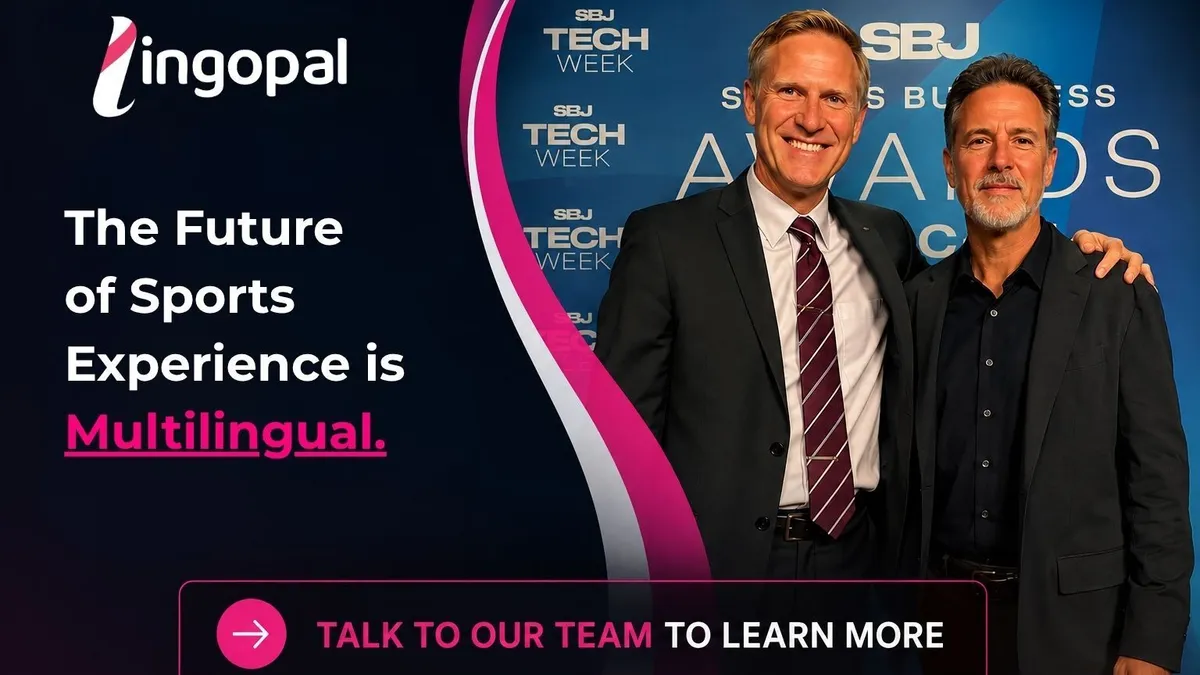
This week at SBJ Tech Week, one of the most interesting conversations happening across the sports industry wasn’t only about streaming quality, AI analytics, or immersive stadium technology.
It was about experience.
More specifically:
What will make the next generation of sports experiences feel more valuable than physically being at the venue itself?
From executives across the NBA, NHL, MLB, NASCAR, media companies, technology providers, and sports innovators, the message was clear: the future of fan engagement is becoming increasingly global, digital, and personalized.
One discussion that stood out came during conversations with Dan Kaufman around the growing importance of accessibility and multilingual experiences in sports.
Because while leagues and broadcasters continue investing in production quality, second-screen experiences, and personalized content, there is still a major gap affecting millions of fans worldwide:
Language accessibility in live sports.
Sports Audiences Are More Global Than Ever
The modern sports audience no longer belongs to one country, one language, or one market.
Major sporting events today are consumed simultaneously across continents through streaming platforms, mobile apps, social media, connected TVs, and digital communities.
According to FIFA, around 5 billion people engaged with the 2022 global football tournament across television, streaming, social media, and digital platforms. The next edition is expected to break even more audience records.
Yet despite the globalization of sports content, many fans still experience live broadcasts, interviews, commentary, and behind-the-scenes content in languages they do not fully understand.
That creates friction in what should be an immersive emotional experience.
Why Native-Language Experiences Matter
For fans, language is not a “feature.”
It is part of the emotional connection to the game.
Experiencing a live moment in your native language can directly impact:
- Fan engagement
- Watch time and retention
- Accessibility and inclusion
- Audience growth in international markets
- Sponsorship opportunities
- Community participation
- Overall fan loyalty
As sports organizations continue looking for ways to expand globally, multilingual accessibility is quickly becoming a strategic advantage, not just a technical capability.
Where Lingopal Fits Into This Future
At Lingopal, we are helping organizations rethink how live content can reach global audiences in real time.
Our AI-powered live translation technology enables sports organizations, broadcasters, streaming platforms, and media companies to deliver multilingual experiences with ultra-low latency while preserving the emotion, tone, and energy of the original speaker.
From live commentary and interviews to press conferences, streaming, and fan engagement experiences, the goal is simple:
Produce once. Reach everyone.
Lingopal at SBJ Tech Week
We were proud to have Matt Kauffman representing Lingopal during the event and contributing to conversations around the future of AI-powered localization, accessibility, and sports technology innovation.
As the sports industry continues evolving, one thing is becoming increasingly clear:
The future of sports experiences will not only be more immersive.
They will be more global, more accessible, and more multilingual than ever before.
And for many fans around the world, that could make all the difference.